
Stress doesn’t arrive as an enemy. It moves through the body like a signal flare, teaming up with the nervous system to help us meet whatever’s unfolding in front of us. Stress can be treated less like a failure and more like a message — a quiet nudge that something needs attention. The nervous system becomes the interpreter, translating all those internal shifts into a response, whether someone is stepping into a difficult conversation or simply navigating the weight of a busy day.
The Two Sides of the Nervous System
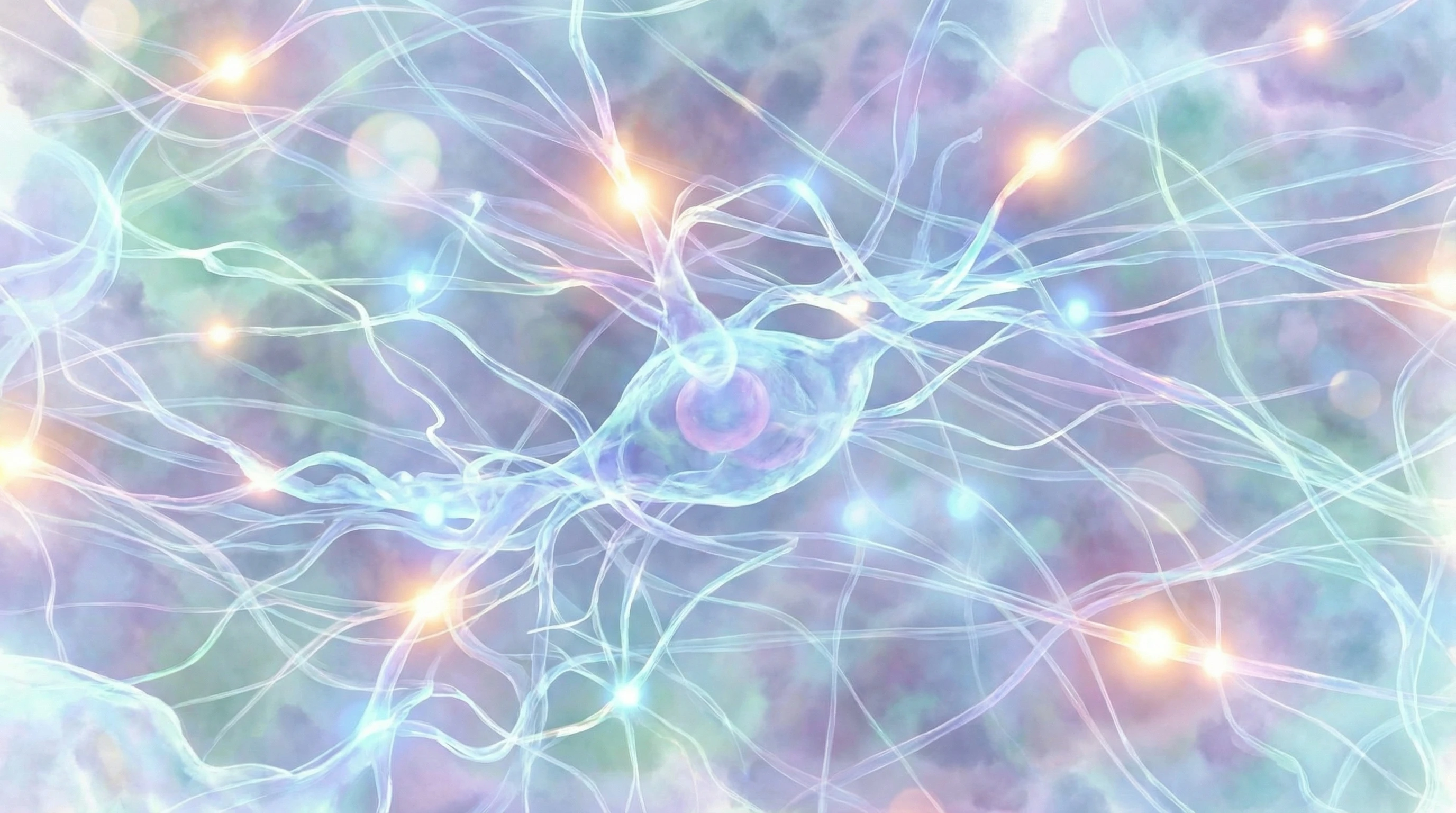
Inside the body, the nervous system is quietly running the show whenever stress shows up. It’s not dramatic about it — just steady, ancient, and deeply wired into how we move through the world. There are two main branches people talk about: the sympathetic and the parasympathetic. They can be understood less as scientific labels and more like two inner forces. One is the mobiliser — the spark that says go. The other is the restorer — the one that brings us back to ourselves.
When something startles us, or a deadline tightens around the day, the mobiliser steps forward first. It sharpens the senses, quickens the pulse, and prepares the body to act. Later, when the moment passes, the restorer takes over. It slows everything down, softens the edges, and guides the body back toward calm. Neither side is “good” or “bad.” They’re partners, balancing each other so we’re not stuck in overdrive or drifting into collapse.
Human curiosity about this mind–body connection reaches back thousands of years. Early thinkers like Alcmaeon of Croton, Praxagoras of Kos, and Herophilus of Chalcedon were already asking big questions about nerves and sensation back in Ancient Greece. Their ideas were the first threads in a tapestry we’re still weaving today.
Modern science has taken those early threads and expanded them into something far more intricate. We now understand that the nervous system doesn’t just react to life — it shapes how we meet it. Research into neurobiology, stress hormones like cortisol, and the links between the nervous system, immunity, and mood keeps evolving. But even with all this new knowledge, the heart of it remains simple: we’re built on a rhythm between action and restoration. Stress isn’t the enemy — it’s part of the dance.
What Stress Actually Does to The Body and Mind
When stress rises, the body often reacts before the mind has caught up. It’s subtle at first — a shift in rhythm, a tightening somewhere, a flicker of alertness — but these changes are part of a very old system designed to keep a person safe. Here’s how stress commonly shows up, and what’s happening beneath the surface:
- Heart Rate Rises: The heart begins to beat faster, sending more blood to the muscles and brain in case quick action is needed.
- Breathing Sharpens: Breaths become shorter and faster, pulling in more oxygen to fuel focus or movement.
- Muscles Tighten: Shoulders, jaw, neck — tension gathers in familiar places as the body prepares to move, even if the person is sitting still.
- Attention Narrows: The mind locks onto what feels urgent, tuning out anything that doesn’t seem immediately relevant.
- Emotions Intensify: Irritation, vigilance, or sudden sensitivity can surface as the emotional system shifts into high alert.
- Digestion Slows: Hunger may fade, or the stomach may feel unsettled, as the body diverts energy away from digestion and toward survival.
For some people, early stress can also spark the opposite response — a pull toward comfort food or constant snacking. It’s another way the body tries to self‑soothe before the deeper stress response takes over. Later, as stress becomes more sustained, appetite often drops instead. Both patterns are common.
These reactions are incredibly useful when a real threat appears. The challenge comes when the body stays in this heightened state long after the moment has passed. Researchers suggest this lingering alertness once offered an evolutionary advantage — staying ready meant staying alive. But in modern life, that same readiness can slowly wear a person down when it becomes the default rather than the exception.
Getting Stuck in Stress Mode
Sometimes the body stays in “go mode” long after the moment of stress has passed. Even when the immediate tension fades, the nervous system can remain braced, as if it’s waiting for something else to happen. This isn’t a sign of weakness — it’s a sign that the body has learned to stay ready.
Here are some of the reasons this happens, and they’re common to many people:
- Chronic Stress Accumulates: When stress is ongoing — whether from unstable environments, relational strain, or situations that feel unpredictable — the body can settle into a semi‑alert state. Over time, this constant readiness becomes exhausting. Focus slips, memory feels foggy, and decision‑making becomes harder because the nervous system is spending so much energy staying prepared.
- Unresolved Stress Signals Keep Looping: If stress comes in waves or cycles, the body learns to anticipate the next one. Even during quiet moments, the nervous system may stay on edge, as if it’s listening for the next shift. This looping effect makes it difficult to fully relax, even when nothing immediate is happening.
- Learned Behaviour and Cultural Expectations: Many people grow up in environments where they’re taught — directly or indirectly — to minimise their own discomfort. Some are encouraged to stay quiet, be agreeable, or keep the peace at any cost. Others are taught to “push through” or “act fine” no matter what they’re feeling. These habits can make it harder to recognise stress signals, because the body has learned that expressing them isn’t an option.
- Not Knowing the Body’s Language: Without understanding how the nervous system works, it’s easy to mistake constant tension for “normal.” Many people spend years in a heightened state without realising it, simply because they’ve adapted to it. The body’s signals become background noise until they’re impossible to ignore.
Getting stuck in a stress mode is incredibly common. It takes patience — and a bit of self‑kindness — to notice the signs before they build into overwhelm.
Long‑term stress can also show up physically. Digestive issues, headaches, muscle pain, sleep disruption, or a run‑down immune system can all be signs that the nervous system has been working overtime. Recognising these patterns early can make a meaningful difference in how someone supports their own wellbeing.
Hidden Invitations in Stress
Stress isn’t just a surge of discomfort — it’s another form of communication. Much like dreams, it speaks in sensations rather than sentences. A tight jaw, a sudden snap of irritation, a heaviness in the chest… these aren’t failures or flaws. They’re signals. Invitations. The body’s way of saying, something here needs attention.
When stress rises, the nervous system isn’t trying to sabotage you. It’s trying to guide you. The first step is simply noticing what’s happening — the shift in breath, the tension gathering, the mind narrowing its focus. That moment of awareness creates a small opening, a pause where you can respond rather than react. It doesn’t require hours of meditation or perfect calm. Just a quiet acknowledgment: I feel this.
Over time, these small moments of noticing begin to change the relationship. Stress becomes less of an enemy and more of a messenger. Instead of dragging you into old patterns, it starts to reveal where your boundaries are thin, where your energy is leaking, where something in your life is out of alignment. The body becomes an ally again — not something to battle, but something to listen to.
Simple Ways to Tune In and Support The Nervous System
When stress rises, the body often asks for small moments of connection — quiet check‑ins that help bring the nervous system back toward steadiness. These don’t need to be dramatic or time‑consuming. Even a brief pause can shift the internal rhythm.
Here are a few gentle ways people commonly reconnect with themselves:
- Return to the Breath: Noticing the inhale and exhale — its pace, its depth, its texture — often begins to soften the body without effort. Even a simple pattern like an even count in and out can help the nervous system settle.
- Ground Through Contact: Feeling the feet on the floor, the weight of the body supported by a chair, or the coolness of a surface beneath the hands can draw attention out of the mind and back into the present moment.
- Offer a Quiet Phrase: Some people find it helpful to anchor themselves with a simple reminder — something like this moment will pass or I can meet this as it comes. These phrases aren’t solutions; they’re footholds.
- Place a Hand on the Body: A hand resting on the chest or the lower abdomen can create a sense of calm and containment. It’s a small gesture that signals safety to the nervous system.
- Shift the Environment: A slow walk, stepping outside for a breath of air, or sitting near plants or natural light can help release some of the built‑up tension. Movement and nature both offer subtle cues that it’s safe to unwind.
- Widen the Gaze: Looking gently around the room — noticing colours, shapes, or sounds — can ease the tunnel vision that stress often creates. It’s a simple way to remind the body that the world is larger than the moment of tension.
These practices aren’t meant to erase stress, and they’re not magic fixes. But with regular check‑ins like these, it becomes easier to notice when the body is slipping into a stress cycle. Over time, this awareness helps create space for choice — space to respond rather than be swept along by old patterns.
For those who want a more structured approach, gentle breathwork or mindfulness‑based programs can offer additional support. But even these small, everyday moments of tuning in can make a meaningful difference as the nervous system learns to trust steadiness again
Frequently Asked Questions
These are some of the most common questions people have when they begin paying attention to stress and the nervous system:
How can I tell if stress is affecting my nervous system?
Stress often shows up through the body before the mind notices it. Persistent tension, restlessness, disrupted sleep, headaches, stomach discomfort, or feeling “on edge” for no clear reason can all be signs that the nervous system is working overtime.
Can long‑term stress really affect the brain?
Long‑lasting stress can make it harder to concentrate, remember details, or shift between tasks. These changes aren’t permanent, but they do show how deeply stress can influence the body’s systems when it stays active for too long.
Do I need special training to support my nervous system?
Not at all. Simple practices — noticing the breath, grounding through the senses, or pausing for a brief check‑in — can make a meaningful difference. More structured approaches exist, but the basics are accessible to anyone.
To balance this inner understanding with everyday practice, you might like to read my guide on stress recognition and management.
Learning to recognise stress signals is less about mastering techniques and more about building a quieter relationship with your own body. Awareness doesn’t erase stress, but it does change the way we meet it. Listening to the body becomes its own kind of pathfinding — stress speaks in signals, and awareness is the small lantern we carry.
Each moment of attention softens the edges, revealing a little more space, a little more ease, a clearer way forward than before. It’s not a cure — just a beginning. And beginnings like this have a way of opening into something much larger.