The Power of Storytelling
Human beings have told stories for as long as we have existed. Long before writing, long before books or screens, story was the primary way we made sense of the world. It helped us understand our place within it, remember what mattered, and pass on the knowledge that ensured our survival.
Stories are not simply entertainment. They are frameworks for meaning. They shape how we interpret events, how we remember them, and how we understand ourselves. A story can illuminate something we have lived but never named; it can reveal a truth we recognise instantly, even if we have never spoken it aloud.
Across every culture, stories have carried warnings, wisdom, and ways of living. They preserve what a community has learned, what it values, and what it hopes future generations will not forget. Even as stories evolve, their deeper purpose remains the same: to help us navigate the human experience.
Cultural Inheritance: Stories as Knowledge Keepers
Every culture carries a body of stories that hold its memory. These stories — whether myths, folktales, or family histories — preserve the lessons, values, and strategies that helped previous generations survive.
Oral traditions were once the primary way knowledge was passed on. They held everything from practical wisdom to moral guidance, from warnings to worldviews. Folklore often distilled complex truths into simple narratives, making them easy to remember and easy to teach.
Myths, in particular, carry psychological and social patterns. They reveal how a culture understands power, responsibility, conflict, transformation, and the human condition. They are not merely tales of gods or heroes; they are maps of the inner life.
Although stories change over time, their core messages endure. They adapt to new eras while still carrying the essence of what earlier generations needed to communicate. When we engage with these stories, we are not just learning history — we are entering a long conversation about what it means to be human.
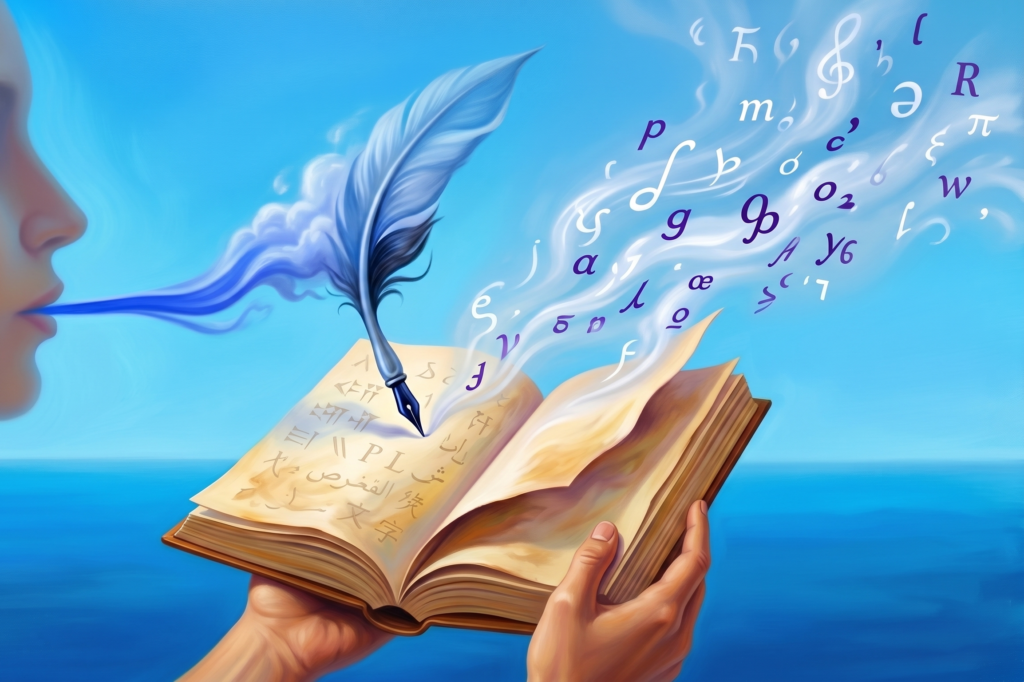
Stories as Reflective Mirrors of Human Experience
Stories reflect us back to ourselves. They reveal our fears, hopes, contradictions, and longings. They show us what we value and what we avoid. They help us recognise patterns in our own lives that we may not have seen clearly before.
Through characters, conflicts, and resolutions, stories offer insight into how individuals and communities understand themselves. They show us how others have navigated loss, change, love, failure, and transformation. In this way, stories become mirrors — not only of personal experience, but of the shared human condition.
They also provide continuity. When life feels chaotic or uncertain, stories help us locate ourselves within something larger. They remind us that others have walked similar paths, faced similar dilemmas, and found ways through.
Engaging with stories — whether ancient or contemporary — expands our understanding of ourselves and others. It deepens empathy and widens perspective, allowing us to see beyond the boundaries of our own experience.
The Contemporary Relevance of Storytelling
Despite the pace and complexity of modern life, storytelling remains central to how we understand the world. Narratives shape our perception of events, influence public opinion, and frame the way we interpret information. They are woven through media, politics, education, and everyday conversation.
People continue to seek meaning, coherence, and orientation — and stories provide these in ways that facts alone cannot. In times of uncertainty, narratives offer structure. They help us make sense of change, conflict, and complexity.
Modern storytelling takes many forms: books, film, podcasts, digital media, and countless informal channels. These narratives challenge assumptions, spark reflection, and invite us to reconsider how we see ourselves and others.
By becoming conscious of the stories we consume — and the stories we tell — we gain greater agency over our identity. We can choose which narratives to carry forward, which to release, and which new ones to create.
Storytelling is not a relic of the past. It is a living, evolving force that continues to shape how we understand the world and our place within it.
An invitation to Continue the Journey
Storytelling is one of the oldest human capacities, yet it remains one of the most vital. Every story we inherit, question, or create becomes part of the architecture of who we are. When we understand the narratives that have shaped us, we gain the ability to shape them in return.
This article is only the beginning. In the pieces that follow, we will explore how stories carry coded meanings, how they travel through cultures, and how they influence the choices we make — often without our awareness. By looking more closely at the stories around us, and the ones within us, we begin to see identity not as something fixed, but as something continually written.
The journey continues with “The Stories We Inherit”.